Understanding the workings of the Minox 35 solenoid

For some time, I have been trying to figure out how does the Minox 35 solenoid work. Unlike conventional designs, there are no moving plungers within the solenoid (coil). The permanent magnet here is fixed.

Soft Magnetic Material (SMM) lose their magnetization easily. Examples:- Ferrite, Permalloy, Amorphous, silicon steel sheet.
Hard Magnetic Material retain their magnetization once magnetized. Examples:- Alnico, Chromium steel, Tungsten steel. – Needle, Paper clip, Screw driver, etc.
…and I think I found some of the answer when I saw the fire alarm – door release system at my workplace. I believe it works the same way, well not entirely the same but the end result is the same.
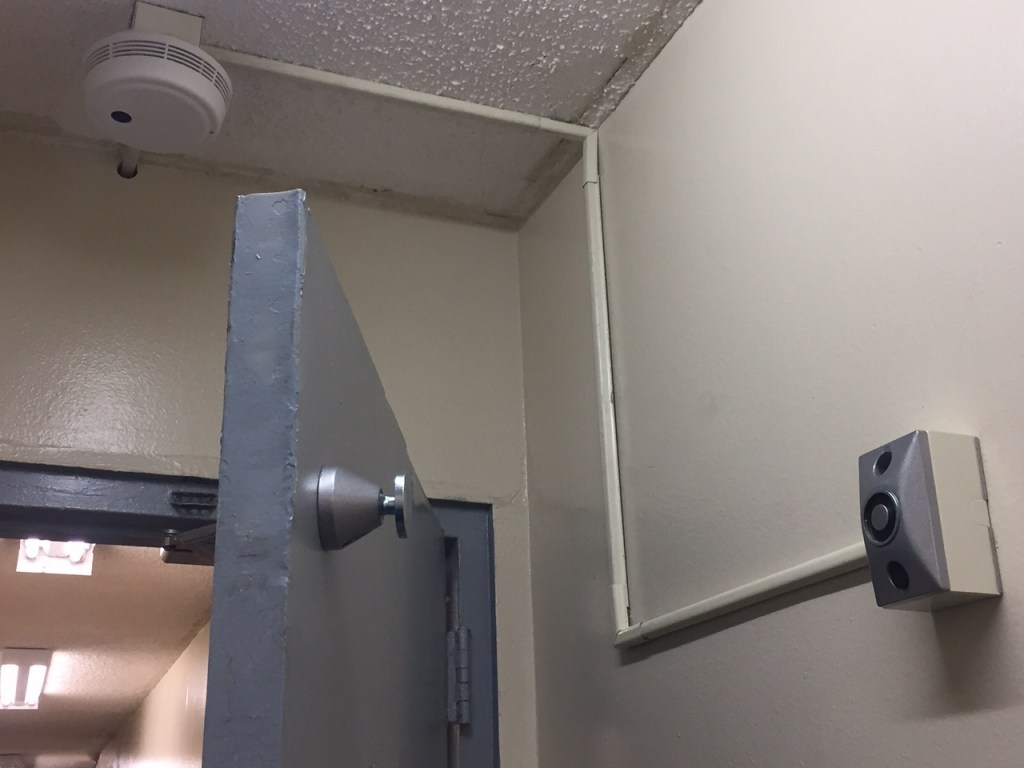
In the door release system, there is a spring pulling the door/soft magnetic material (SMM) away from the solenoid. I assume, when the solenoid is activated, the magnetic field created by the coil either pushes the SMM away or neutralizes the magnetic field of the permanent magnet.
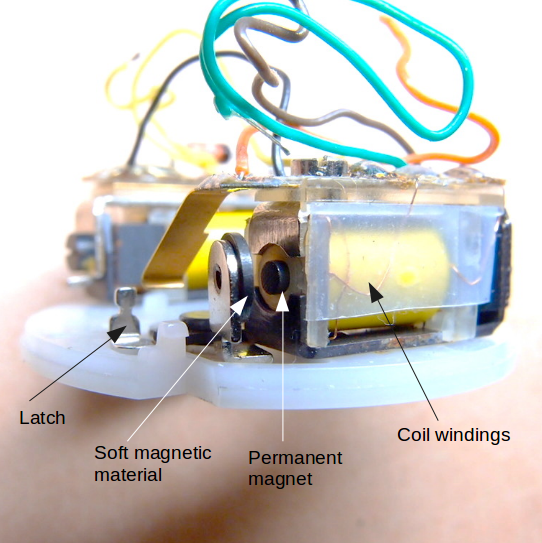
But in the Minox 35, the spring pulls the soft magnetic material (SMM) towards the permanent magnet (This happens when the shutter levers are engaged). The soft magnetic material becomes a temporary magnet when it contacts the permanent magnet. So how does it then push away the SMM when the solenoid is activated? I believe, when voltage is applied to the coil, a magnetic field that is similar in polarity to the temporary magnet (SMM) is created thus repelling the temporary magnet (SMM) away. It’s a power efficient method. This is my assumption. The important thing for now is ensuring that it is in working condition.


Healthy coil resistance – 54 ohms
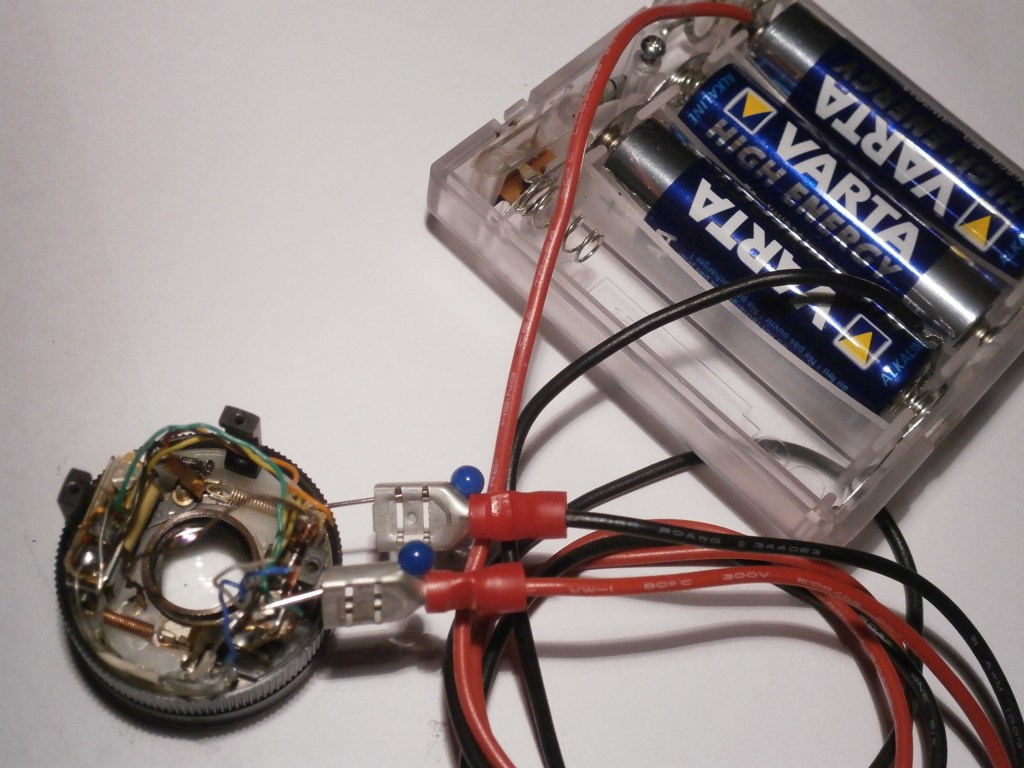
Minimum trigger voltage – 4.5v
I have not encountered a Minox 35 with a faulty solenoid. They are robust quality components. Possible issues in this area would be a jammed latch due to rust, etc.
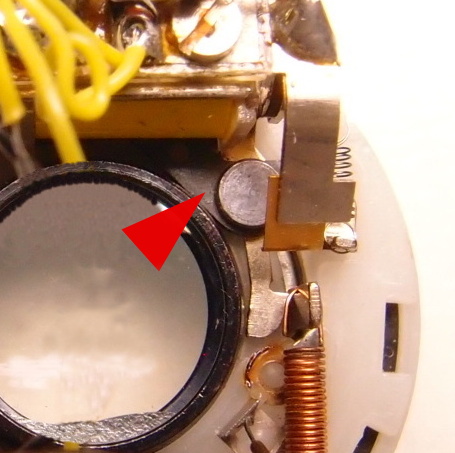
A drop of Isoprophyl alcohol (IPA) at this point should loosen up a jammed or sticky latch mechanism. Do not use any lubrication.
Question: Does the accumulation of dust at the solenoid affect it’s performance?
Answer: No!.
 Letsminox
Hi there!
The shutter of my minox like kiev-35a opens up after the fire button depressed, but does not close. I tried to clean up contacts, and added a little drop of wd-40 to the left locker, that locks closing ring movement. I couldn’t manage to check if there some voltage on the bottom solenoid at the fire moment. Cleaned up sliding contacts and assembled camera. The problem still remains.
Could you give me an advise what should I pay attention at to fix it?
Thank you
LikeLike
Hi there, i apologize for the late reply, I’m working on more content but I have been thinking about your Kiev 35. I have updated the How to Test page with 2 simple tests for the camera. Please perform both tests and especially the mechanical test to see if the close shutter is not jammed. You mentioned that you cleaned the sliding contacts, can you explain where and how did you perform that ?. Did you open the top cover, lifted the PCB and cleaned both copper contacts ?(under PCB & lens assembly). Please don’t use WD-40. It can get to unwanted places.
https://www.photo.net/forums/topic/172614-lubricant-for-old-camera/
Either the close shutter mechanics are jammed or the close solenoid is damaged (unlikely) or there’s no voltage to the close solenoid. (contacts).
LikeLike